When I first downloaded a puzzle‑style game in 2020, I expected a few hours of casual fun. Instead, it became a daily ritual that pushed me to solve a new challenge at 3 a.m., just before my office shift. That tiny shift in my routine illustrates a larger trend: mobile gaming apps are taking a firm grip on the UK’s entertainment landscape.
Instant Gratification Meets Long‑Term Engagement
Unlike traditional board or console games that require a set time commitment, mobile apps deliver bite‑size experiences that fit into a coffee break or a commute. On average, a casual player spends 30 minutes per day on a mobile title, according to a 2023 survey by the UK Games Forum. That 30 minutes adds up to roughly 18 hours a month, enough to rival a weekly movie night.
Developers are capitalising on this by layering micro‑tasks and seasonal events. A single app might release a new “challenge of the week” every Monday, encouraging users to return daily. The result is a steady stream of engagement that keeps players invested for months, if not years.
The Economic Ripple Effect
Mobile gaming is no longer a niche hobby. In 2022, the UK mobile gaming market generated £1.2 billion in revenue, a 12 % increase from the previous year. That money is being funneled back into the industry in three main ways:
- In‑app purchases: 40 % of revenue comes from micro‑transactions such as cosmetic skins or speed‑up tokens.
- Ad revenue: 30 % of users view short video ads, which pay developers up to £0.10 per view.
- Subscription models: 20 % of players subscribe to premium passes, gaining weekly rewards and ad‑free play.
These streams have created a new class of indie developers who can fund full‑time teams with a modest user base of 50 000 active players.
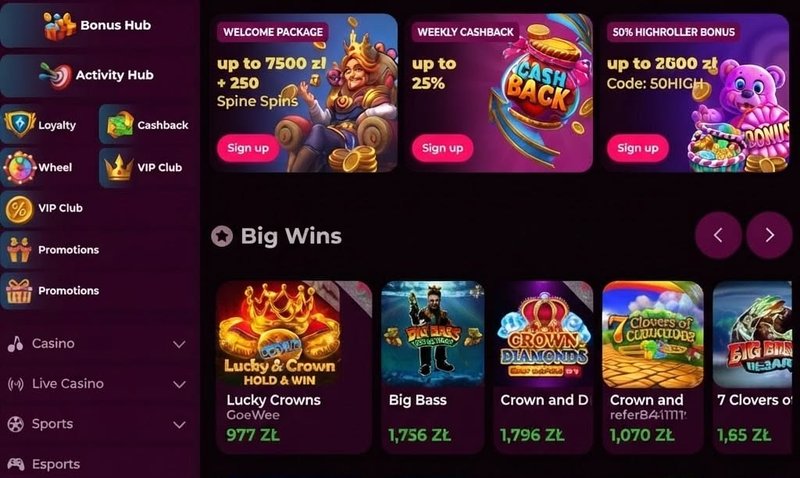
Similarly, the rise of online casinos and gaming sites has mirrored this model, offering instant rewards and daily challenges that keep users engaged. http://steelaccessories.co.uk
Social Connectivity and Community Building
Many mobile games now feature built‑in chat rooms and leaderboards that allow players to compare scores across the UK. For example, a popular strategy title hosts a UK leaderboard that updates every 15 minutes. The competitive element motivates users to spend more time honing their skills and sharing tips on social media.
This social layer extends beyond the game. Players often form Discord groups or Reddit threads to discuss strategies, leading to community events that can attract up to 10 000 participants in a single week.
From Entertainment to Everyday Interaction
Mobile gaming apps are also influencing how we interact with other entertainment mediums. A user might start a game, then pause to watch a YouTube tutorial, and later share a highlight reel on Instagram. The cross‑platform sharing keeps the game visible in everyday conversations.
In turn, this visibility has opened doors for collaborations with musicians, artists, and even local theatres, who use game themes to promote shows or concerts. The result is a blended entertainment ecosystem where a game can drive ticket sales and merchandise.
Challenges and Limitations
Not every experience is smooth. Some apps suffer from “pay‑to‑win” mechanics that alienate players who prefer skill‑based progression. Additionally, the reliance on constant internet connectivity can be a barrier for users in rural areas with spotty coverage.
Another concern is data privacy. In 2021, the UK’s Information Commissioner’s Office flagged 15 % of popular games for collecting more personal data than necessary. Developers must now navigate stricter regulations and build trust with their audience.
Looking Ahead: What Comes Next?
Artificial intelligence is poised to personalize gameplay even further. Early prototypes can adjust difficulty in real time based on a player’s performance, creating a more tailored experience. Meanwhile, 5G rollout across the UK promises lower latency, allowing multiplayer games to feel as responsive as console titles.
For those who enjoy a quick escape, the future of mobile gaming looks brighter than ever. With new technologies and a growing user base, the industry will likely continue to blur the lines between casual play and mainstream entertainment.
Conclusion
Mobile gaming apps have moved beyond simple pastimes; they are now a staple of UK leisure culture. By offering instant access, fostering community, and generating significant revenue, they are reshaping how we define entertainment. As the sector evolves, the key will be balancing monetisation with player satisfaction, ensuring that the next wave of titles remains both engaging and fair.
Frequently Asked Questions
What makes mobile gaming apps so addictive?
They offer instant rewards, short sessions, and social competition, keeping players engaged without long commitments.
Do mobile games replace traditional console gaming?
Not entirely; they complement consoles by providing quick, on-the-go entertainment, especially for casual players.


Recent Comments